

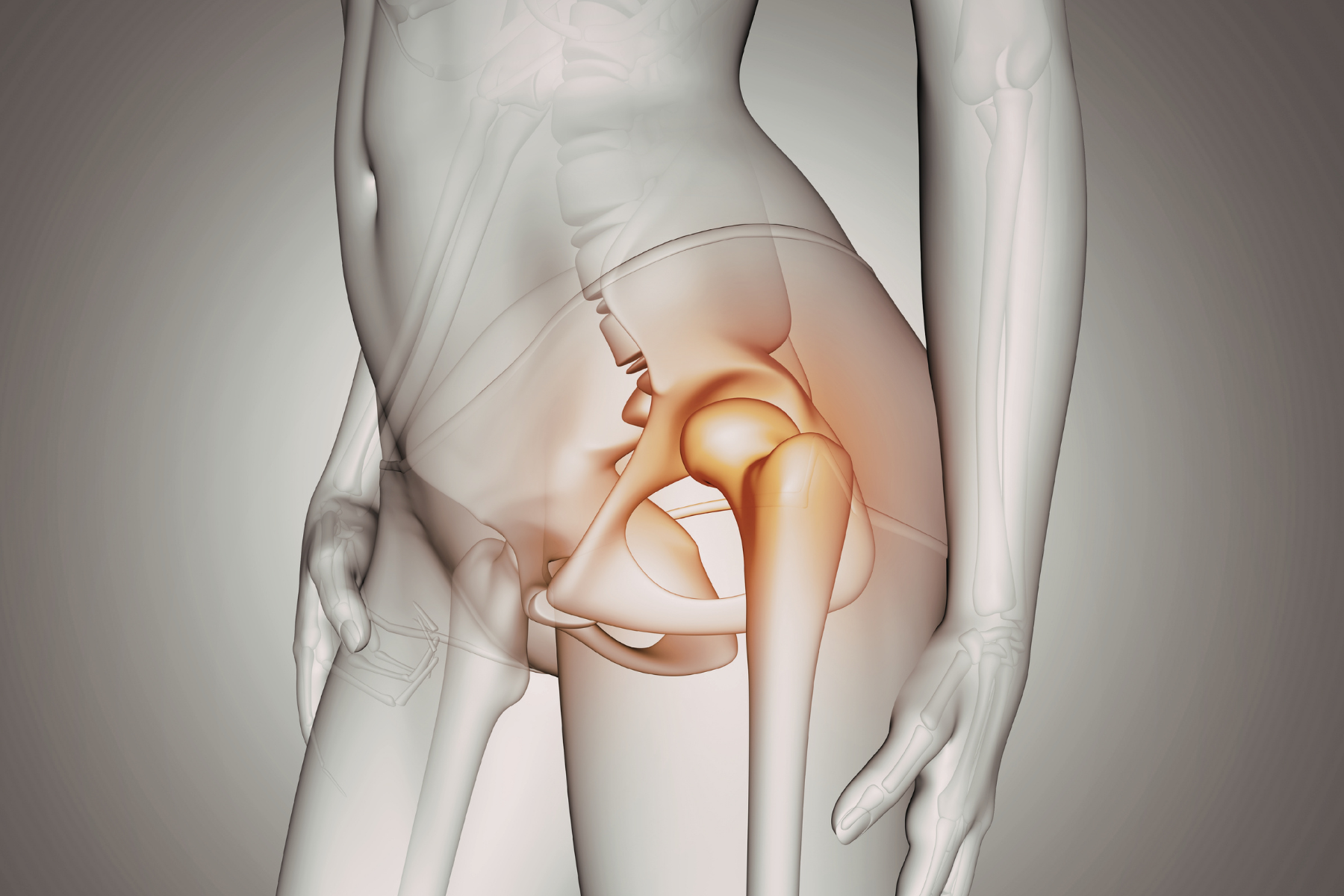
Femoroacetabular Impingement (FAI)

What Is FAI?
Femoroacetabular Impingement (FAI) is a common, motion-related hip disorder where the ball-and-socket joint does not fit properly, causing bones to rub together. It commonly causes pain in the groin, limited mobility, stiffness, and clicking, especially in young/active adults. Treatment options range from physical therapy to surgery
What should I expect after surgery?
Rehabilitation at the Muscle and Joint Clinic following surgery for femoroacetabular impingement (FAI) should begin as soon as your surgeon allows it. Every surgeon has specific restrictions based on what was done during the procedure, their experience, and how your tissues are healing. In general, the more complex the surgery, the more involved and longer your rehabilitation program will be. For the first few weeks, activity restriction is important to avoid fatiguing or overloading the hip muscles.
Crutches and walking (gait re-training)
If you are still using crutches at your first visit, your Physical Therapist will make sure you’re using them safely, properly, and confidently, while following your weight-bearing restrictions. We will also ensure you can use crutches safely on stairs.
If you are no longer using crutches (or once you no longer need them), your Physical Therapist will focus on gait re-education so you’re not compensating and you’re putting only the necessary forces through the surgical side with each step. Until you can walk without a significant limp, we often recommend continuing to use your crutches—or at least one crutch, a cane, or a walking stick. An improper walking pattern can contribute to other issues in the knee, hip, and back, so using a walking aid until near-normal walking is achieved is often the safest option. Your Physical Therapist will guide you (along with your surgeon’s recommendations) on when it’s appropriate to walk without any walking aid at all.
Early appointments: pain and inflammation control
In your first few appointments, your Physical Therapist will focus on calming pain and inflammation from the procedure itself. We may use modalities such as ice, heat, ultrasound, or electrical stimulation to help reduce pain or swelling around the surgical site or down the limb. Hands-on care such as massage to the hip, leg, or ankle may also be used to improve circulation and help decrease pain.
Restoring hip range of motion
The next phase focuses on regaining normal hip range of motion. Your Physical Therapist at the Muscle and Joint Clinic will prescribe a series of stretching and strengthening exercises you’ll practice in the clinic and learn as part of a home exercise program. Range of motion often returns quickly after surgery, but it depends on what your surgeon did inside the joint and the condition of your hip before surgery.
Rehabilitation will focus not only on regaining motion that may be restricted due to the surgical process, but also on improving flexibility and correcting imbalances that may have contributed to the impingement in the first place. Stretches for the front and back of the hip—particularly the hip flexors and the hip external rotators and abductors (deep gluteal muscles)—are often included.
A stationary bike can be very useful for restoring hip flexion and extension, as long as the seat is kept high enough to avoid pinching during the flexion portion of the pedal cycle. Even if you can’t fully rotate the pedals initially, a gentle back-and-forth motion can help move fluid through the joint and support the healing process.
Joint mobilization (if needed)
If necessary, your Physical Therapist may mobilize your hip joint. This hands-on technique helps the hip move gradually back toward its normal range of motion and may be combined with assisted stretching of tight muscles around the surgical site. Your therapist will take care to avoid positions that could impinge healing structures during mobilizations.
Maintaining overall fitness during recovery
At the Muscle and Joint Clinic, we also recommend maintaining the rest of your body’s fitness while your hip is healing. Depending on your restrictions, this can start early after surgery. Options may include an upper-body bike if you are non-weight-bearing, or pool-based aerobic exercise if it does not compromise the hip. A stationary bike is often one of the best cardiovascular options once healing has progressed enough and you can tolerate weight-bearing. Strength training for the upper body and the non-surgical leg is also strongly encouraged. Your Physical Therapist can provide a program to help you maintain general fitness during recovery.
Rebuilding strength in the surgical hip
As soon as it is appropriate, your therapist will prescribe strengthening exercises for the surgical hip. These exercises target muscle imbalances that may have contributed to the impingement, as well as weakness that can develop after surgery. The deep gluteal muscles often need specific attention because they support the hip joint and help control the position of the lower limb during standing and walking. Core strengthening is also important.
Your program may start with effective glute exercises in lying positions while you are partial weight-bearing, then progress to standing exercises that better translate to daily activities like walking and stairs. Your therapist may use electrical muscle stimulation to help your muscles contract during exercises and speed up strength gains. Resistance bands and weights may be added as appropriate.
If you have access to a pool, your Physical Therapist may suggest pool-based exercises. The buoyancy, warmth, and hydrostatic pressure can improve comfort and sometimes allow you to exercise more easily with less discomfort. However, as soon as it is safe, it is important to transition to land-based exercises because these more closely match real-life movement demands.
Balance and proprioception training
After injury (and after a period of immobility or reduced weight-bearing), balance and proprioception can decline. Proprioception is your body’s ability to sense joint position without looking. If balance and proprioception are reduced, the hip and lower limb may be less efficient and may be at higher risk for future injury. As a later component of rehab, your Physical Therapist will prescribe exercises to restore balance and proprioception—such as standing on one leg, balancing on an unstable surface, and eventually progressing to more advanced drills like light hopping or side-to-side movement when appropriate.
Progression and return to activity
As your range of motion, strength, and proprioception improve, your Physical Therapist will advance your exercises so rehabilitation progresses as quickly as your body allows. When it is safe, you may begin more demanding activities such as jumping, hopping, running, or sport-specific exercises based on your goals.
Throughout the process, your therapist will pay close attention to your technique to ensure you’re not using compensatory patterns or developing “bad habits” in how you load and move your hip and lower extremity. When someone has had hip pain for months or years, movement patterns often change to avoid pain. If these patterns aren’t corrected after surgery, they can continue even when the original pain source has been addressed. Your Physical Therapist will provide feedback and coaching to help you rebuild efficient movement patterns for daily life and sport.
Timeline expectations
Around five to six months after surgery, many patients begin returning to full activities, including sport and recreation, with guidance from their Physical Therapist. Many people continue to notice improvements even up to one year after surgery.
If progress stalls or symptoms persist longer than expected, we may recommend follow-up with your surgeon to confirm the hip is tolerating rehabilitation well and to rule out complications that could be slowing recovery.
If you’ve had FAI surgery (or you’re preparing for it), our team can help guide your recovery with a clear plan, education, and progressive rehabilitation tailored to your surgeon’s protocol and your goals.